Electronic Invoicing: The Ultimate Guide

For businesses, e-billing simplifies what used to be a tedious, error-prone method. Its automated process generates invoices, chases payments, and reconciles accounts. These capabilities can help expedite the payment cycle, reduce mistakes and disputes, and provide actionable insight to improve financial operations. E-billing includes the entire process of managing bills online— generating a bill, submitting the payment, receiving the payment, and more.
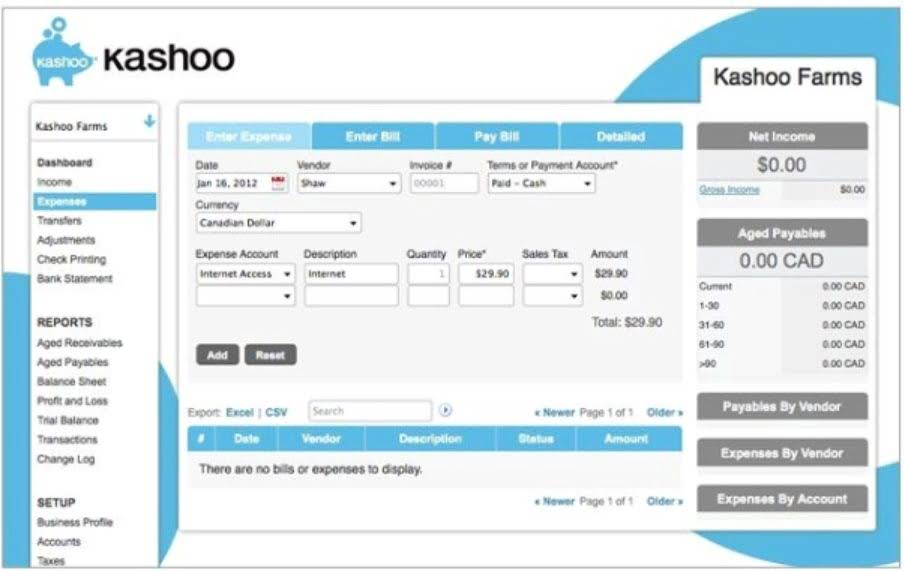
Streamlining invoice management with automation
Here’s everything you need to know about how e-billing works, its benefits and challenges, and the industries that gain the most from adopting it.

SOX Software
When she’s not writing, Barbara likes to research public companies and play Pickleball, Texas Hold ‘em poker, bridge, and Mah Jongg. An increased preference for electronic record-keeping may also accelerate digital invoicing. For instance, the cash flow IRS has recently tightened the sails (if that metaphor fits) on reporting thresholds for 1099 work. Although the $600 limit has existed since 2021, and pushback delayed the rollout in 2023, it will be unavoidably enforced for 2024 returns. SMBs might have reservations about electronic invoicing, let’s take a look at some common misconceptions. They can tell you, for instance, what percentage of time a specific buyer pays their Net-30 invoice early, or if they are routinely late.
- Electronic billing speeds up accounts receivable collection time, improving cash flow.
- Even when migrating your other operational processes to digital software, your invoicing and payment processing system may still rely on outdated methods.
- With Billing, you can design custom, branded invoices in multiple currencies.
- Allowing your customer to select their preferred payment terms adds a level of complexity that electronic invoicing is ready to tackle.
- An electronic billing system is a software solution or online platform that allows for the sending, receiving, and payment of bills online as well as a range of other features and reporting solutions.
E-Billing – What Is Electronic Billing?

It was cheaper, had better interoperability, and had fewer security gaps when the US Army adopted it. Shortly after, the transportation industry became among the first to adopt it as EDI continued to evolve, becoming faster legal e-billing and ensuring smooth data transmission. More importantly, it started to support different forms of business communications, documents, and transactions. Convenience is obviously a major advantage of online banking because transactions can take place 24 hours-a-day, seven days a week.
Overall, e-billing can help businesses streamline their billing process, reduce costs, Cash Flow Management for Small Businesses and improve customer satisfaction. E-billing–or electronic billing–is the process of paying and receiving bills online. The electronic billing system enables customers and businesses to digitally send invoices and payments to each other, providing clear insight for each party. An e-bill is usually generated by an accounting or financial software solution and then sent to the payer by email or a web-based portal. E-billing, or electronic billing, is the process of generating and delivering invoices to customers electronically, rather than in a physical paper format. E-billing is becoming increasingly popular due to its convenience, cost-effectiveness, and environmental benefits.
- Once finalized, the payment amount—also called the allowable amount—is calculated based on the patient’s coverage and contract terms with the provider.
- As explained previously, eBilling refers to electronically sending and paying bills online.
- It will allow the clients to speed up the payment process and accomplish the payment online.
- Additionally, the integration of billing with EHR systems eliminates unnecessary redundancy and improves overall efficiency by translating clinical services directly into billing codes.
- However, with EDI electronic billing services, standardization has significantly simplified the process.
- For instance, the IRS has recently tightened the sails (if that metaphor fits) on reporting thresholds for 1099 work.
- Cloud-based software is usually a subscription model, where the customer (in this case, you) pays a monthly or yearly fee to access the service.